
The Winery
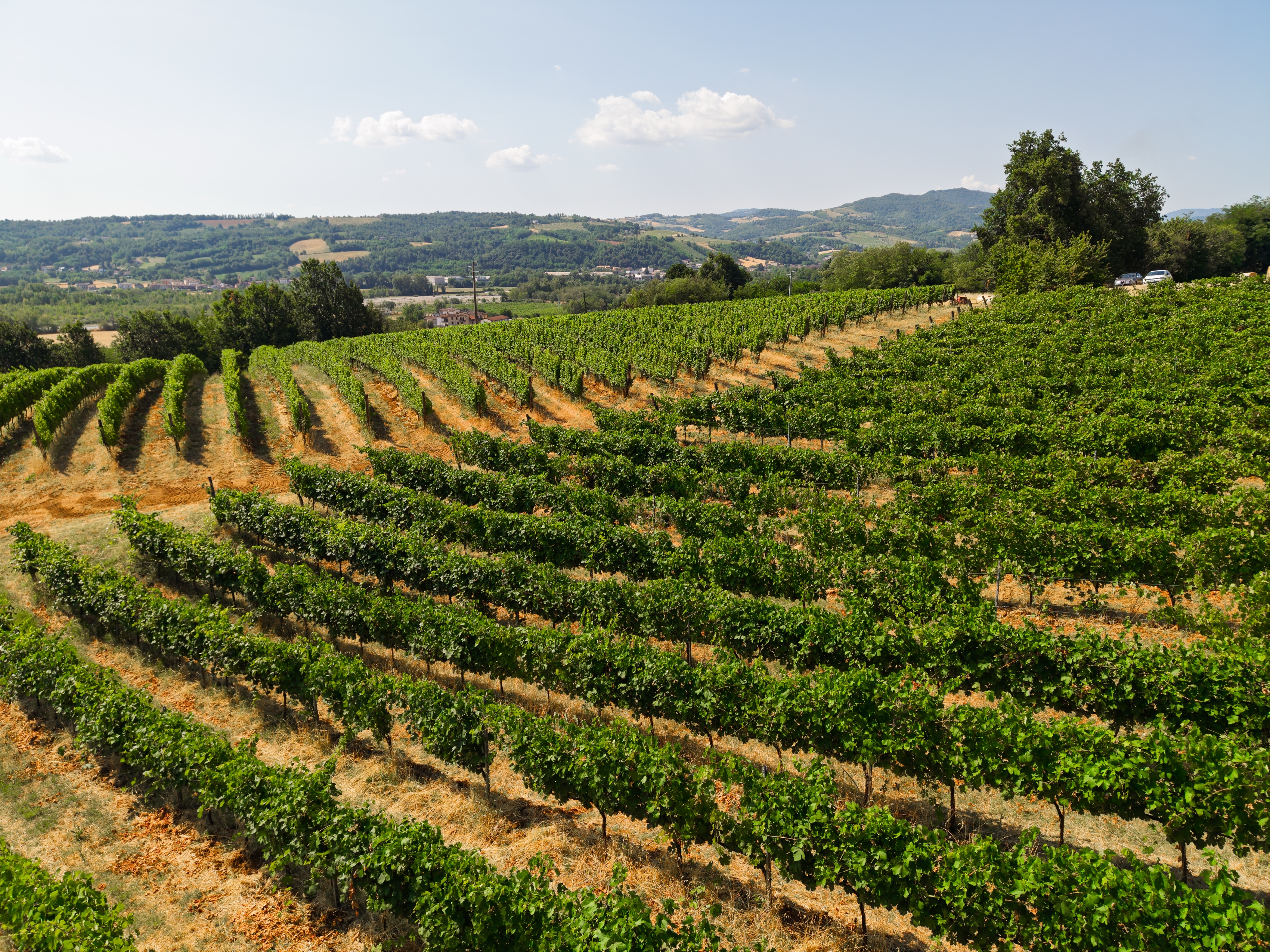
In Albarola since 1796: thirty-five organically farmed hectares and one hundred and thirty thousand bottles a year, with the patience of a family that has worked here for generations.
Innovating without betraying
Two centuries of vines,
one family
The Barattieri presence around Piacenza has its roots between the thirteenth and fourteenth centuries, with the fief of San Pietro in Cerro as the family's first great possession. The story of Albarola begins in 1796, with the marriage between Count Alberico Barattieri and Countess Maria Trevani, of an old noble family of Parma: with that union the family acquired the agricultural estate and the manor house, built in the early years of the eighteenth century.
In the twentieth century Count Giulio Barattieri left the estate to his nephew, Count Otto, who sensed its extraordinary winegrowing vocation: after in-depth agronomic analysis of the soils he planted new vineyards on every free plot and turned the property into a modern, specialised wine estate. Today the family carries that choice forward in the same spirit: innovating without betraying.
The full history- 1796
Count Alberico Barattieri marries Countess Maria Trevani: the family acquires the Albarola estate and the early eighteenth-century manor house.
- 1824
The documented production of the Vin Santo begins: today one of the most historic wines of the Colli Piacentini, kept alive by the mother wine handed down ever since.
- 1800s
According to family tradition, the first French selections arrive in Albarola from the honeymoon: Sauvignon Blanc and, in all likelihood, the two Cabernets.
- 1900s
Count Giulio leaves the estate to his nephew Otto who, after careful soil analyses, plants new vineyards and gives the estate its modern winemaking vocation.
- Today
The family farms 35 hectares organically and produces 130,000 bottles a year.
Two pillars, one idea of wine
«We want to make wines for everyone, suited to everyone. Good things are felt at once: they need no explaining or interpreting, they are immediate.»
The first pillar is the awareness of our history: more than two centuries of experience and intuition, like the international varieties that have lived alongside the Colli Piacentini grapes for over a century. The second is the vineyard first: every harvest tells an unrepeatable balance of climate, soil and human work, to be interpreted with sensitivity, never forced. And then continuity: planting a vineyard means imagining the next thirty years, building a coherent project without chasing fashions, confident that the market will recognise the value of a strong identity.
Vineyards with a name
and a story
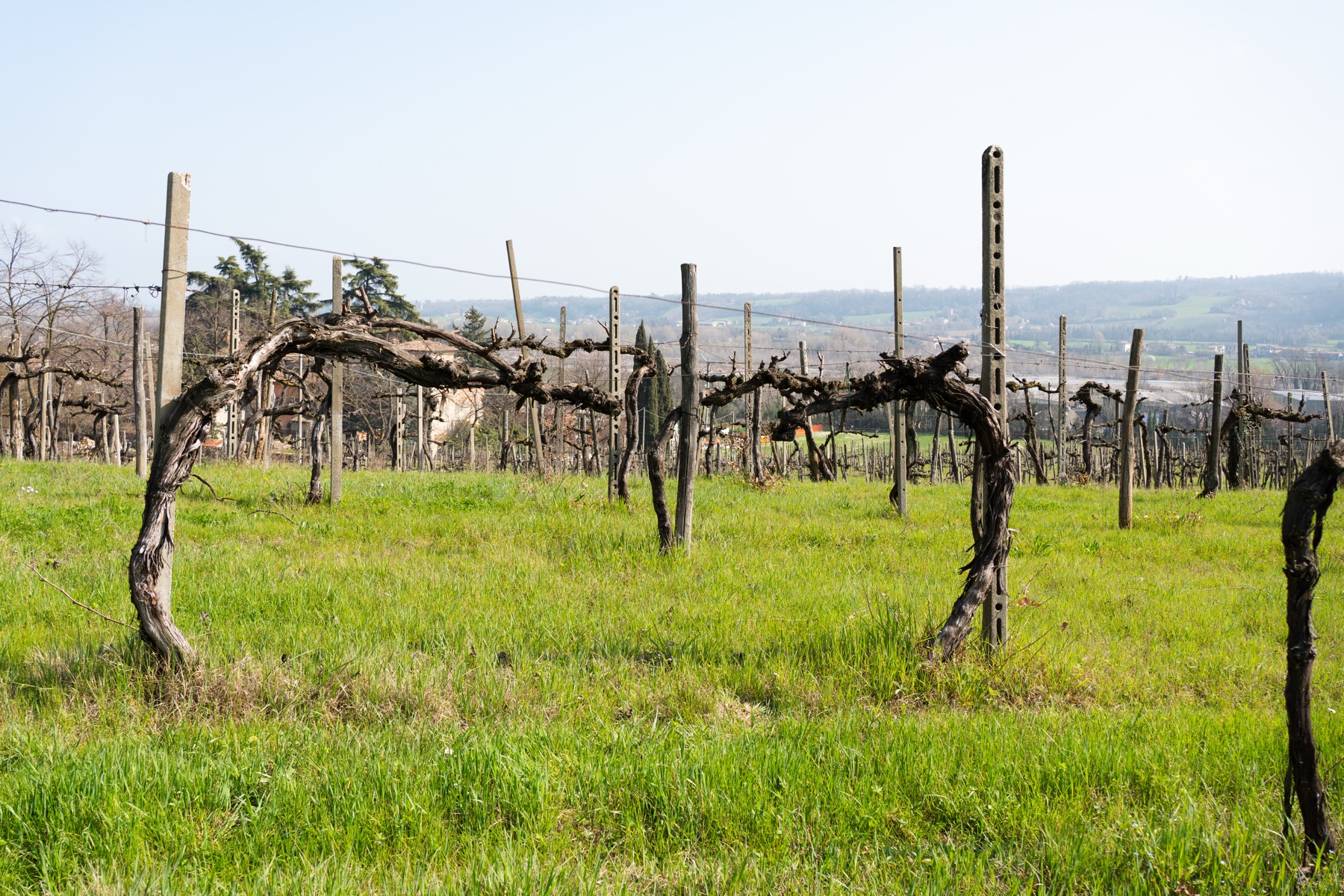
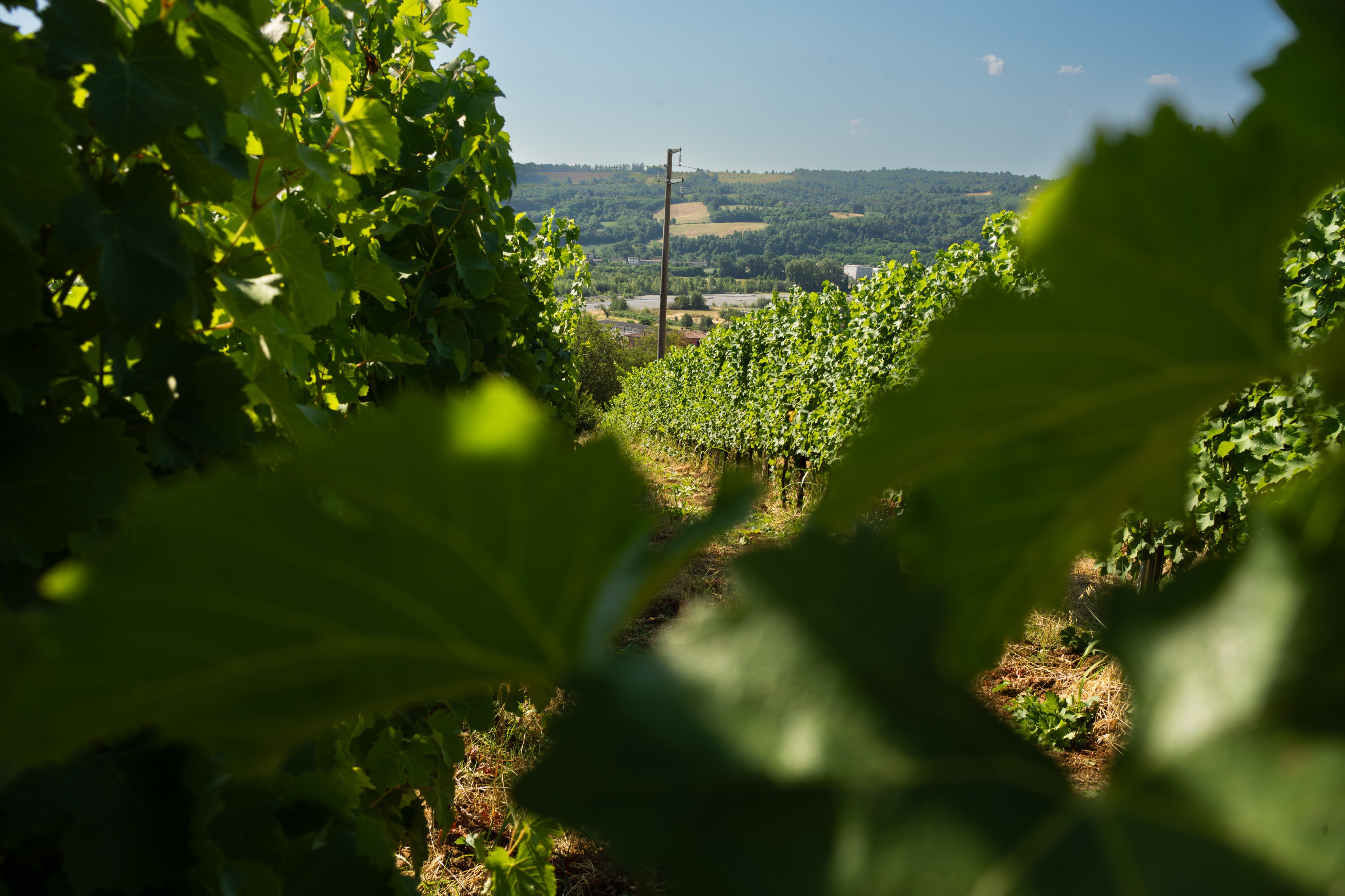
In Albarola every vineyard has a name, and sometimes it takes it from the family who tended it. Ours are called Berganzina, with the Rastello vineyard planted in 1962 and the Montesprello, the highest and stoniest; Vignazzo, which has been catching the sun behind the winery for forty years; the Vigna Grande, an old mixed vineyard where the two Cabernets prevail and the soil has seen no deep ploughing for over a century; and the Albarola vineyards, around the Villa.
Thirty-five organically farmed hectares, between 180 and 350 metres, on slopes facing east, south and west: white varieties Malvasia di Candia Aromatica, Sauvignon Blanc, Ortrugo and Chardonnay; red varieties Barbera, Croatina (the local Bonarda), Cabernet Sauvignon, Cabernet Franc, Pinot Noir and Syrah. An average yield of 65 quintals per hectare and vineyards averaging over twenty-five years of age: this is where the excellence of our wines is born.
Where time
works for us
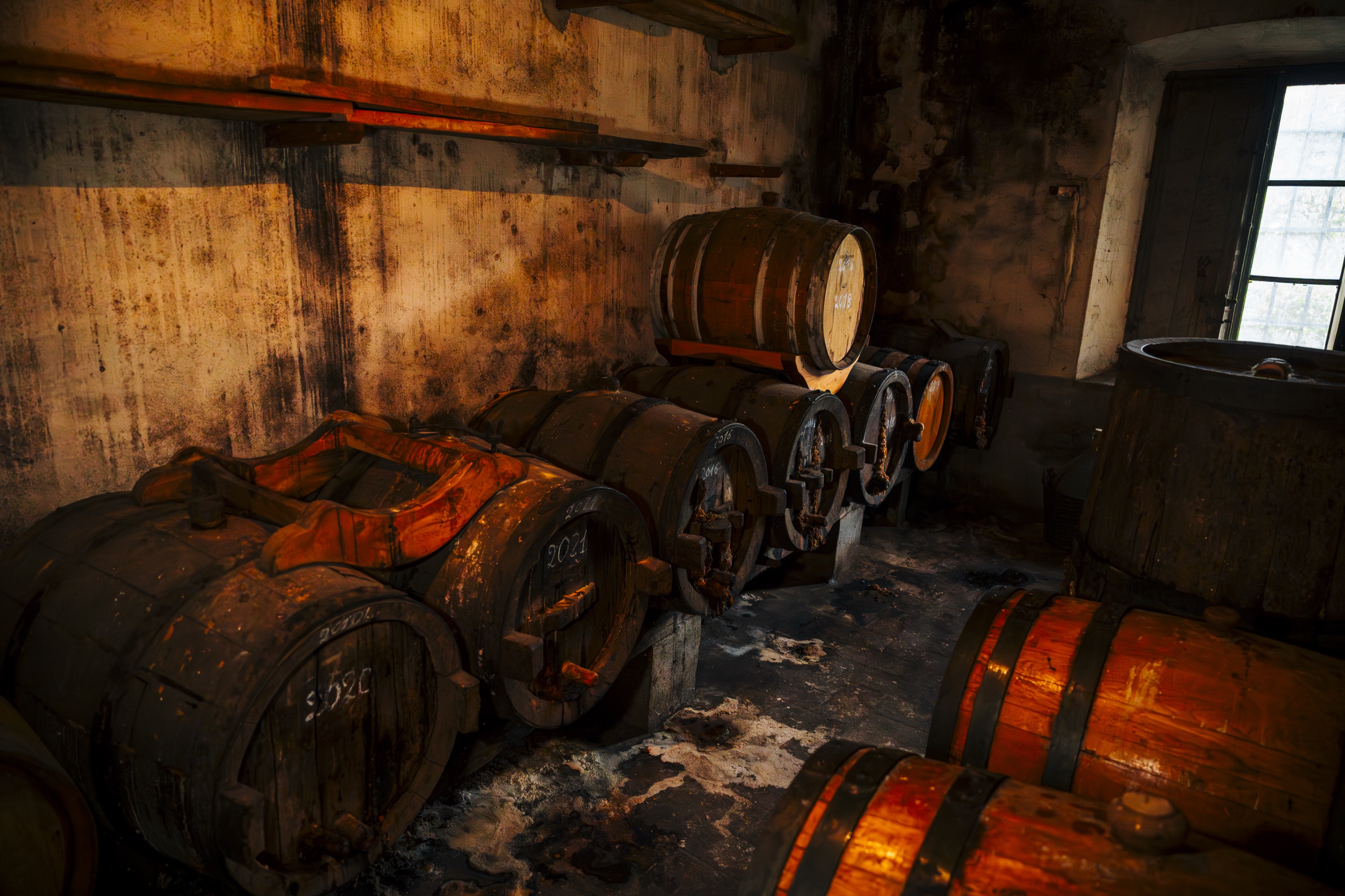
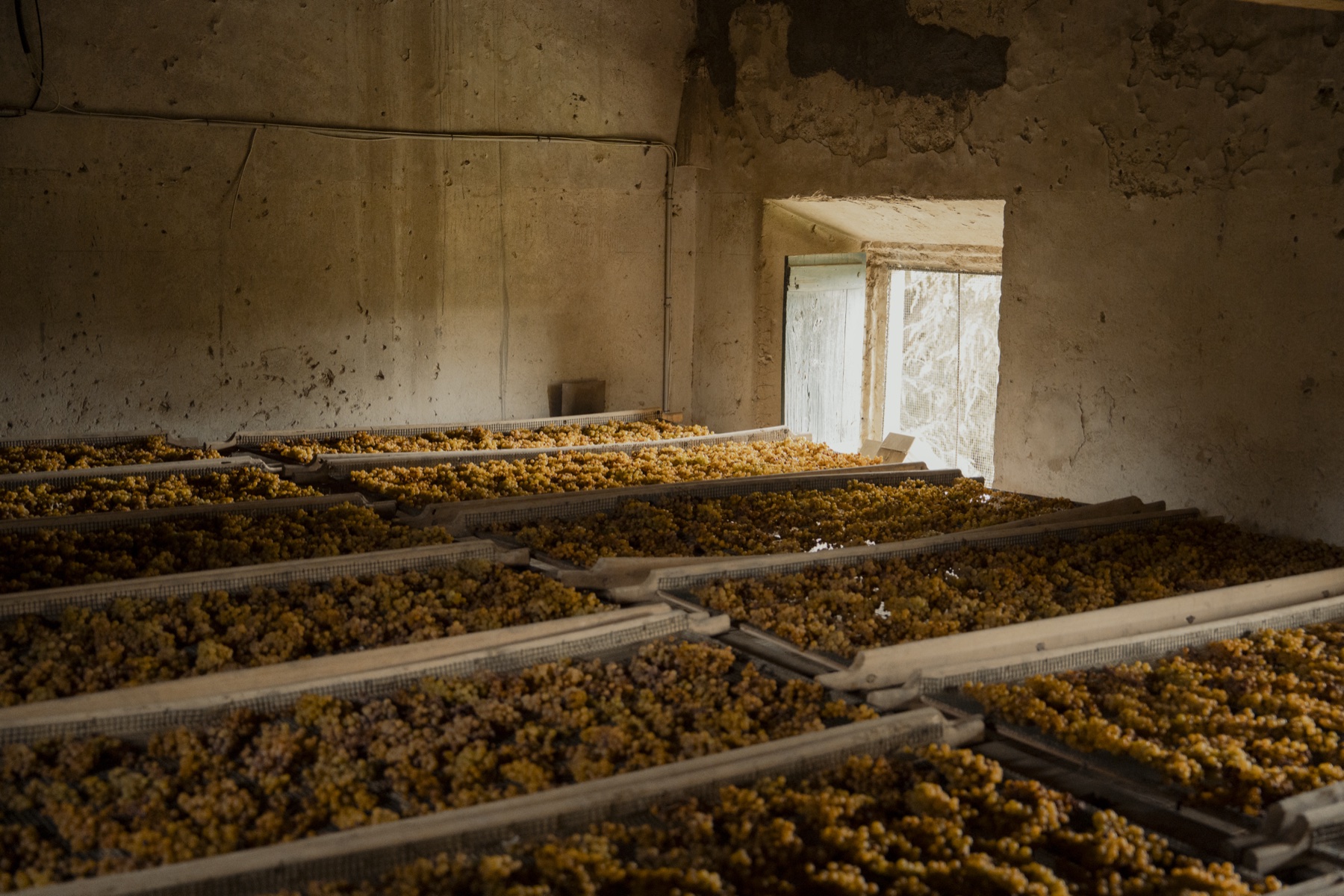
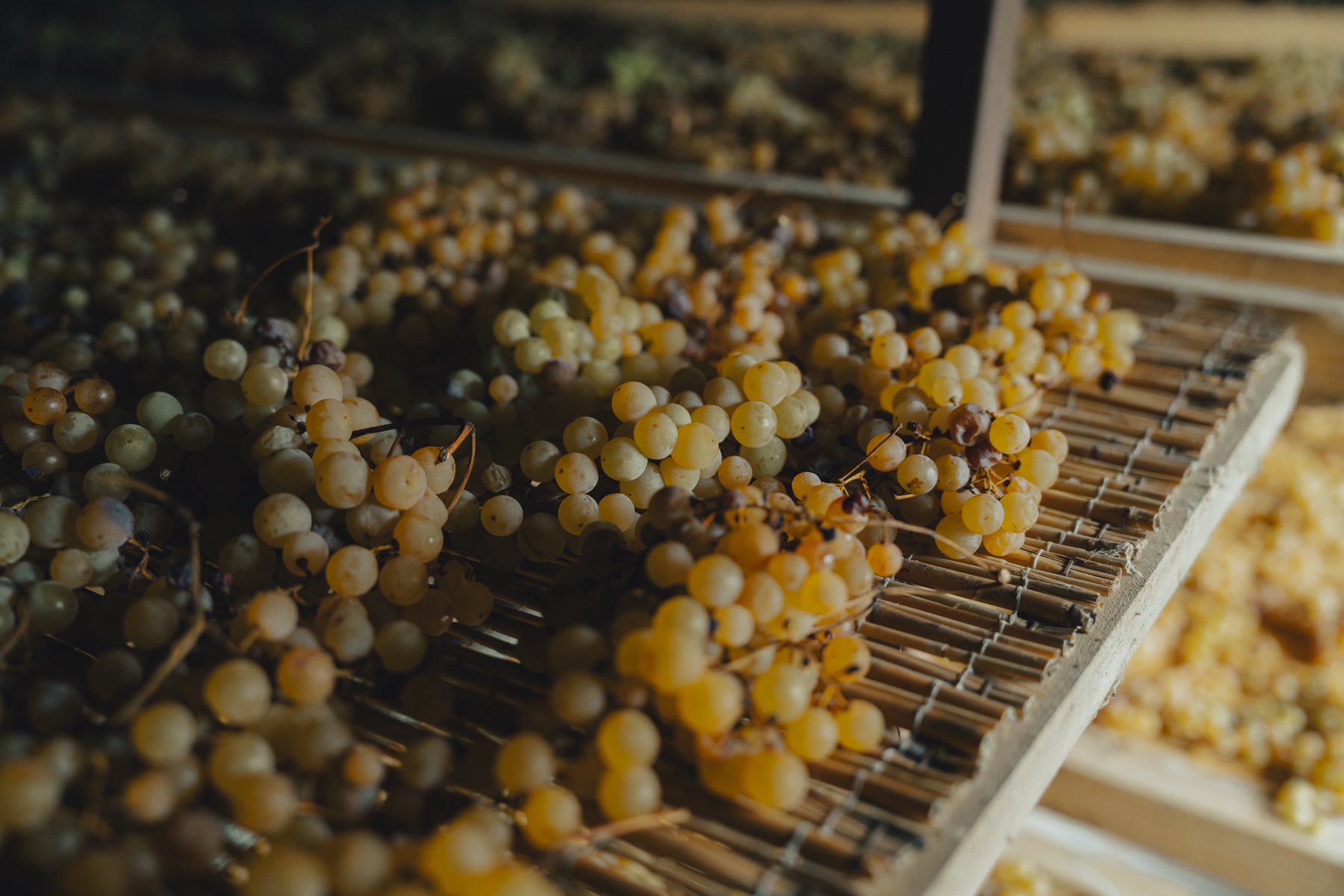
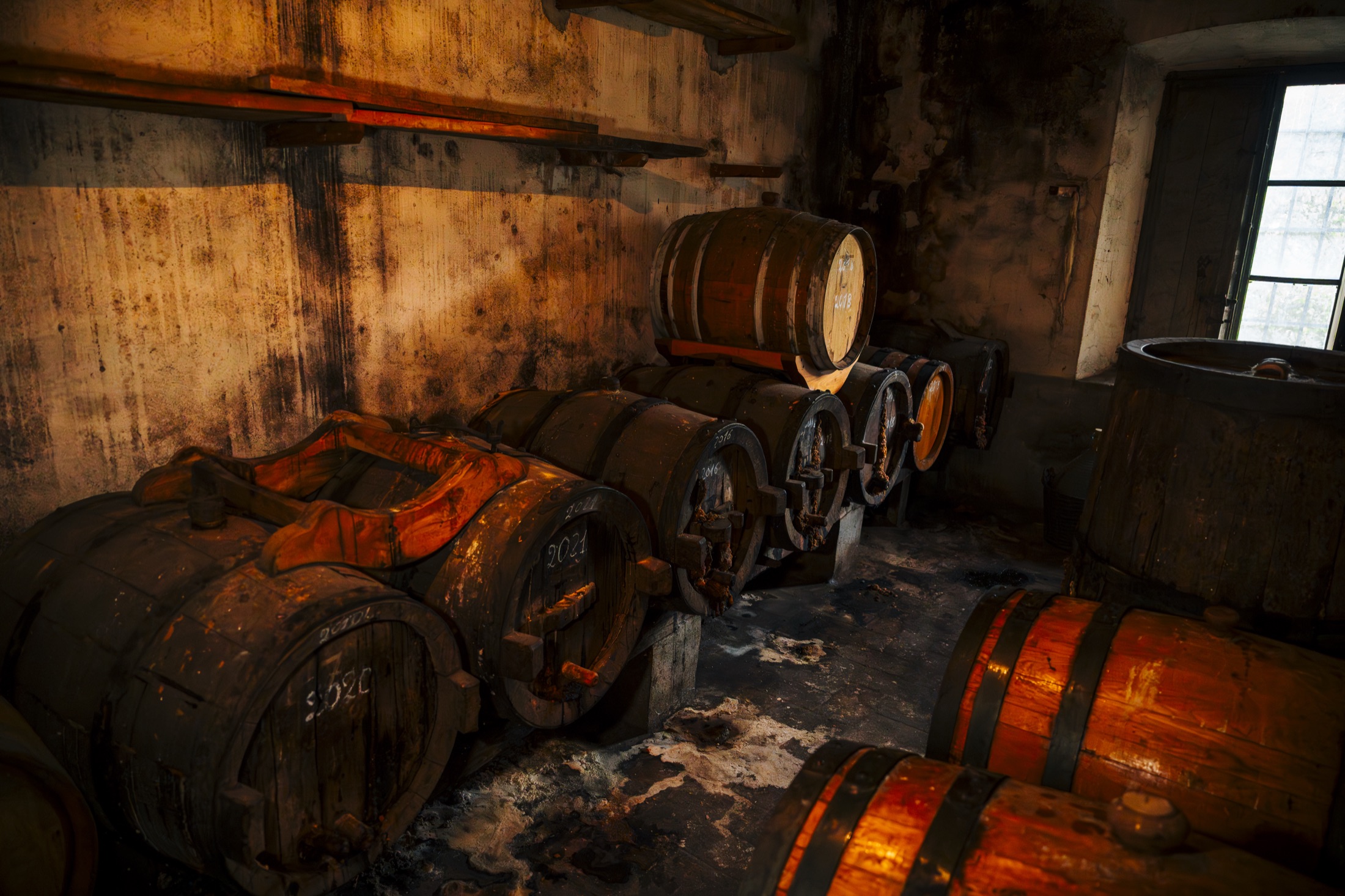
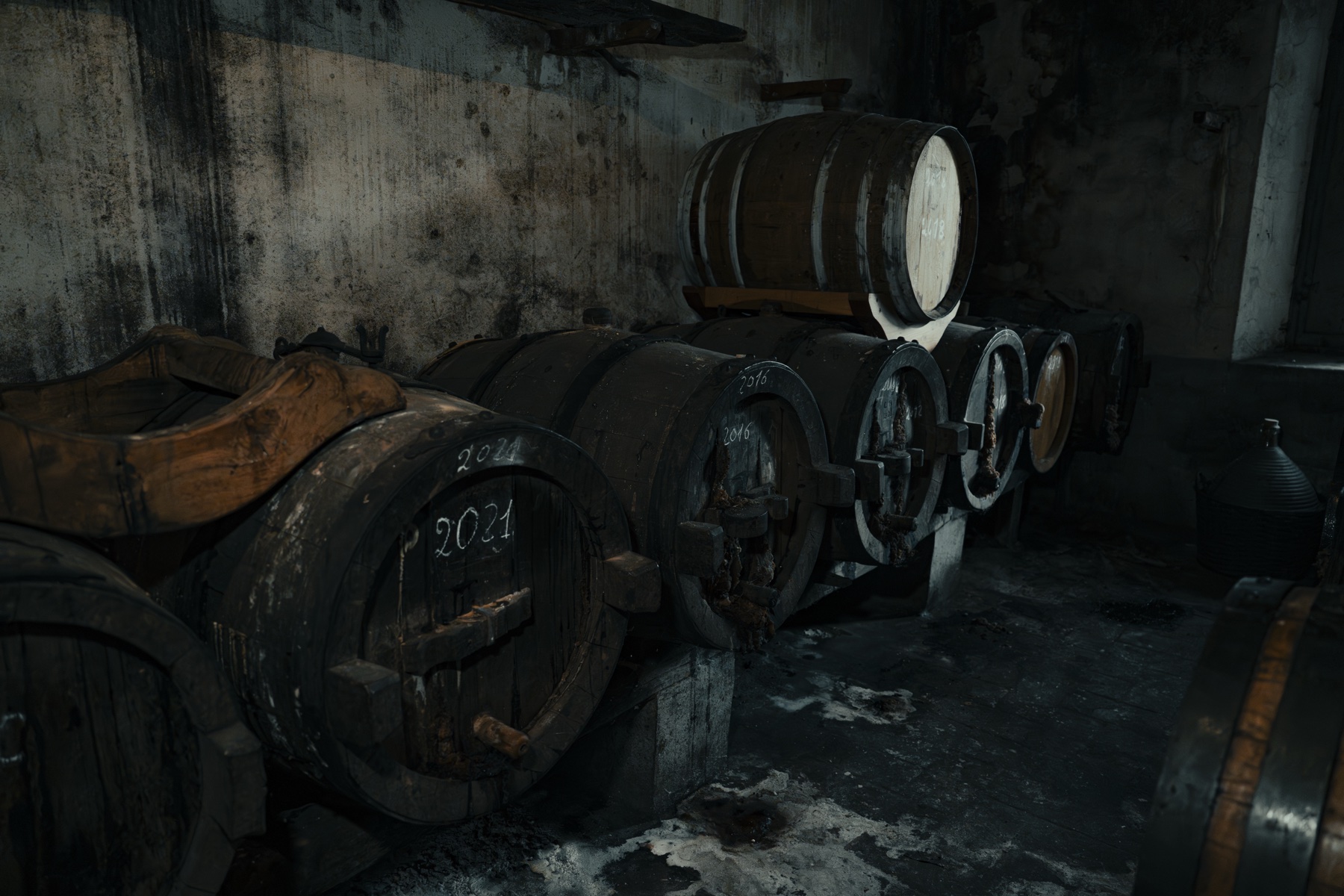
Under the roofs of the estate, the finest bunches of Malvasia di Candia Aromatica rest on racks for two to three months of naturally ventilated drying. Then the pressing, the small casks (some still from the eighteenth century) and the mother wine kept since 1824.
Ten years later, that harvest becomes our Vin Santo: in production since 1824, one of the most historic wines of the Colli Piacentini. The wine that makes patience worth learning.
Discover the Vin Santo
Living the winery
Tours & Tastings
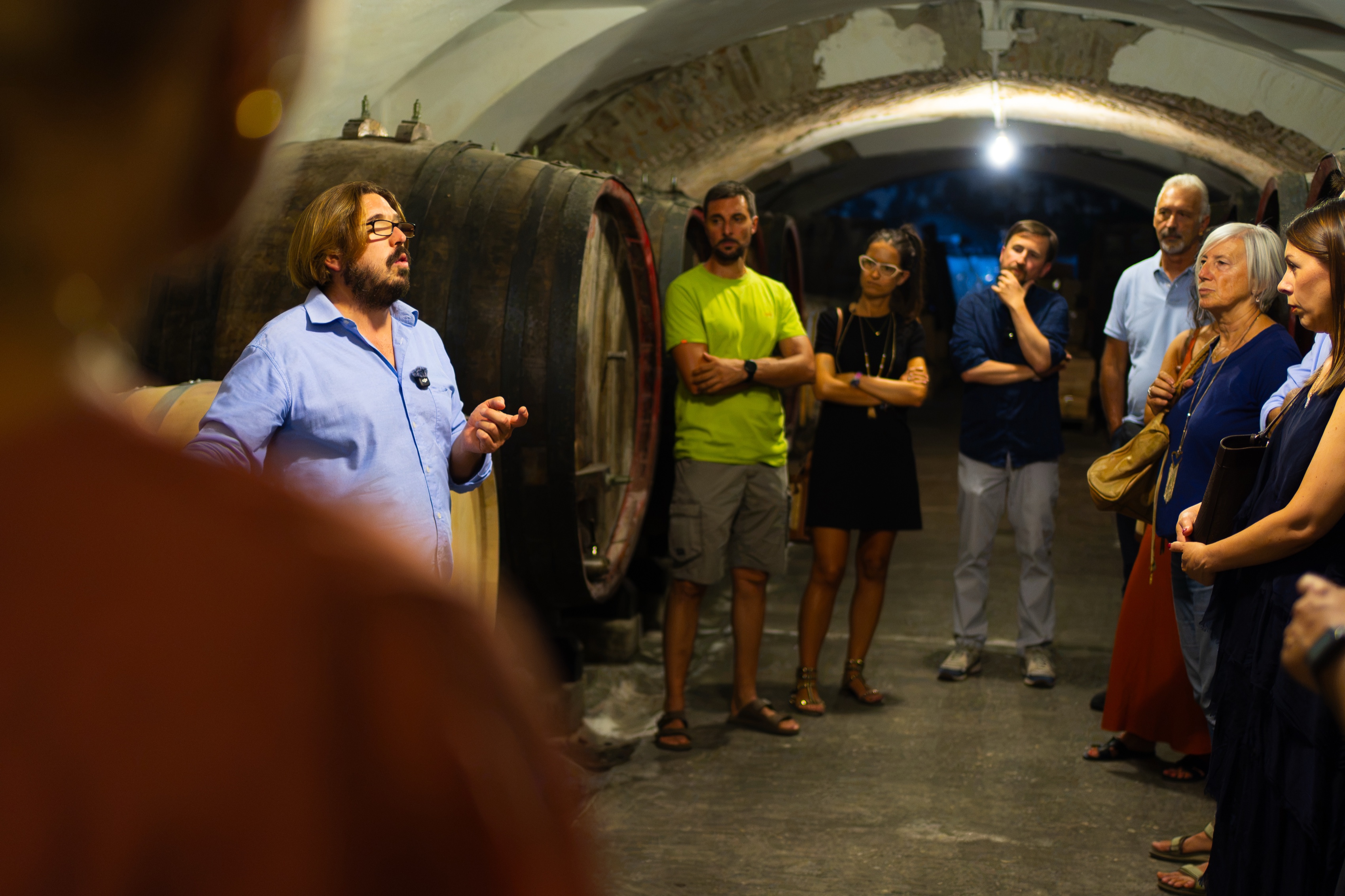
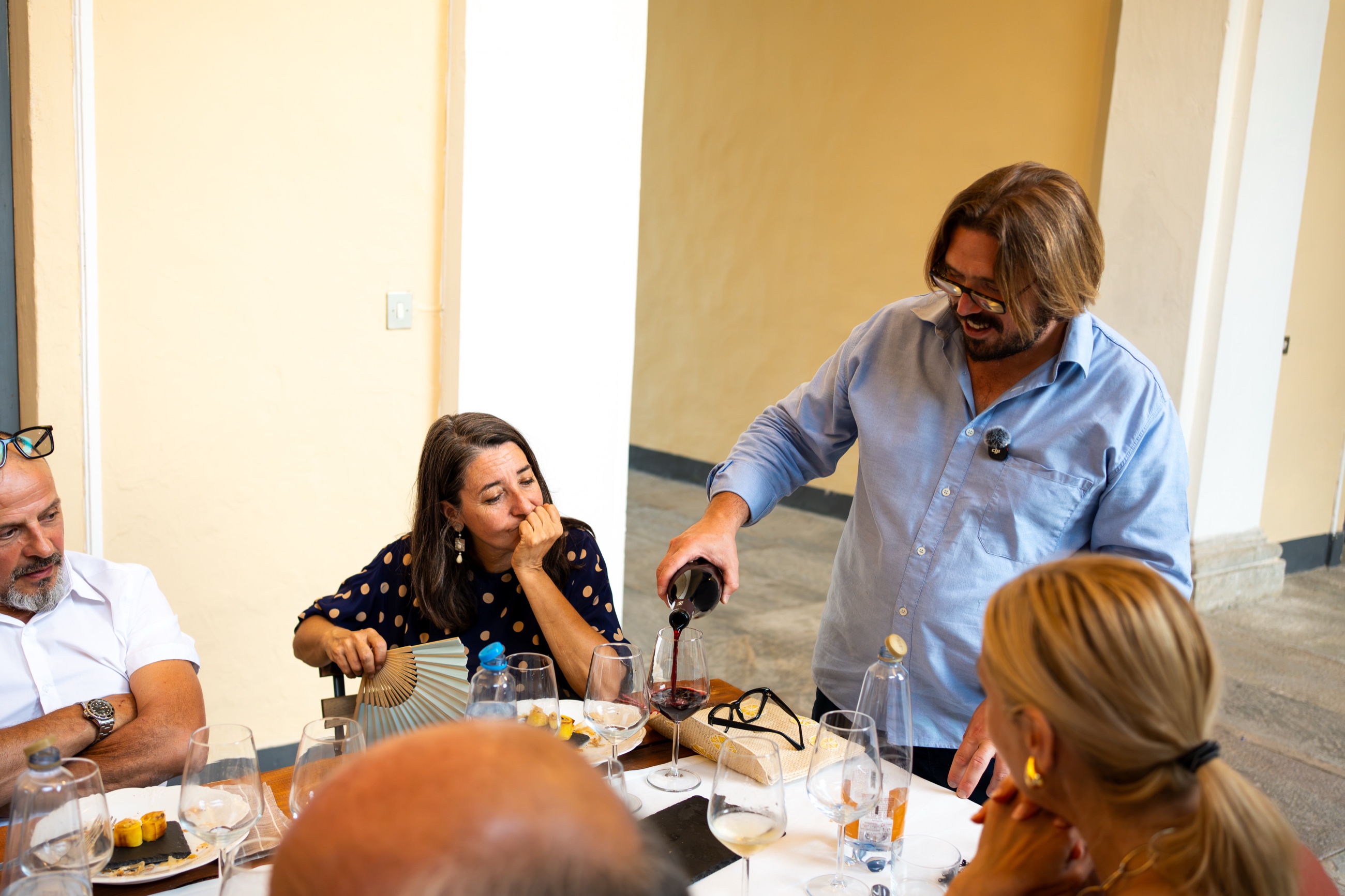
A tasting counter with the wines of the house, accompanied by Piacenza cured meats and local flavours, between the historic cellar, the Vin Santo cellar and the Villa garden.
Discover the tourMasterclasses & Verticals
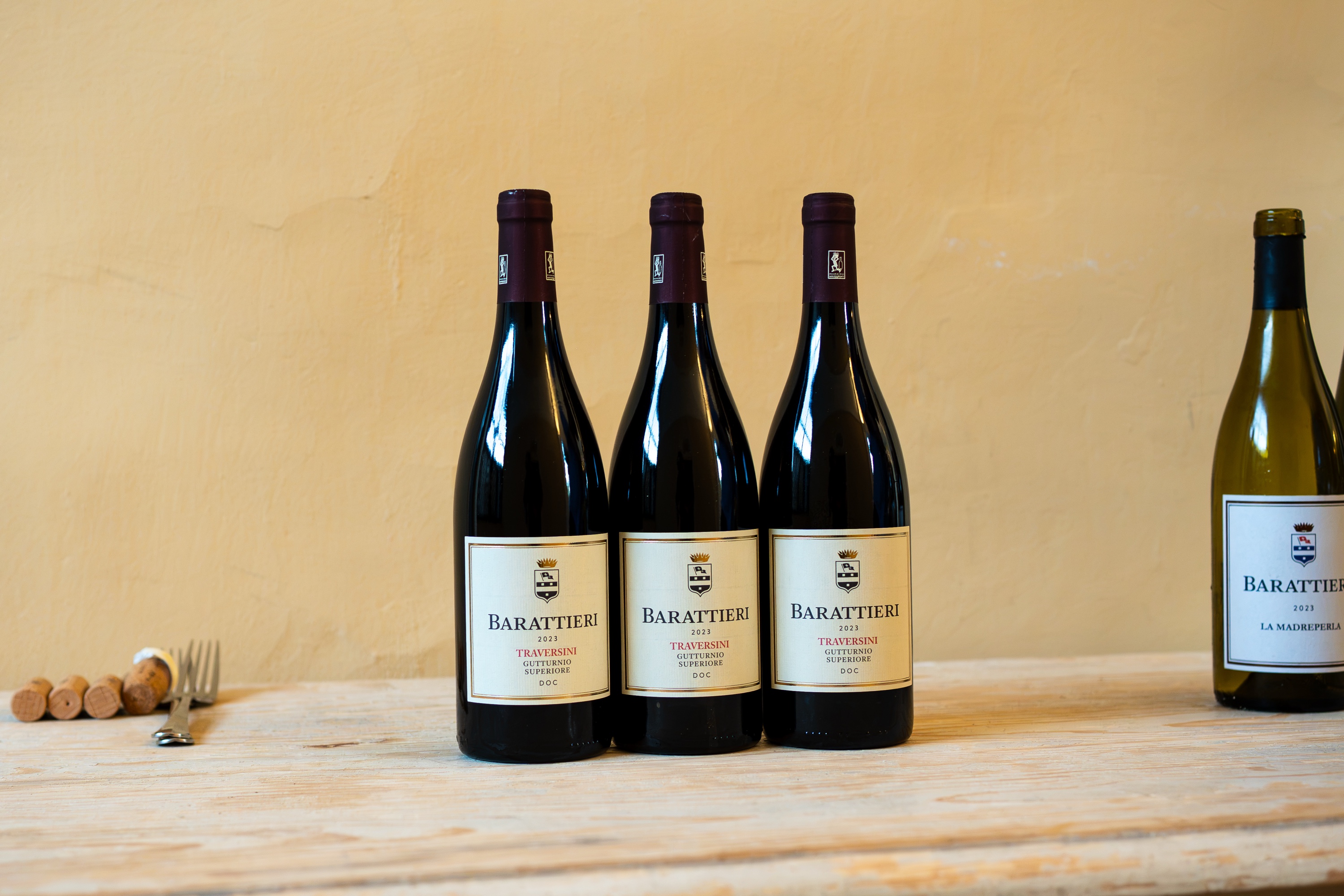
Guided vertical tastings of our most representative labels (La Madreperla, La Berganzina, the Cabernet), to explore how the wines evolve over time, through stories and vintages.
Ask for detailsCome and harvest with us
Experience one of the most beautiful moments of the year at first hand, among vineyards, nature and tradition: we are looking for people to join the coming harvest.
Apply«A winery rich in history, warmth and excellent wines.»
«Beautiful place, with a top wine tasting. Wonderful surroundings.»
«A lovely place, producing fine wines of the Piacenza tradition at the foot of the Val Nure.»
4.7 out of 5 · 55 Google reviews Read all reviews ↗
Our wines
From the everyday sparklings to the Classic Method, all the way to the Vin Santo.
Enter the Shop