The History of the Villa
An eighteenth-century residence built on a much older story: the Jesuits, the Ducal Chamber, Sartorio and, perhaps, a medieval tower over the ford of the Nure.
Ponte Albarola
and the Jesuits
At the end of the seventeenth century, when the village was still known as Ponte Albarola, the area was home to a large agricultural estate of the Jesuit order, also used as a summer residence. With the suppression of the order the property passed to the Ducal Chamber of Parma and Piacenza, which divided it: from that great estate came the two complexes that still mark the territory, Villa Trevani-Barattieri and today's Villa Perano.
The most fascinating hypothesis concerns an earlier era: Albarola sits in a strategic position, close to the Nure, along an ancient crossing route. Before the twentieth-century bridge the river was forded, and it is plausible that the site hosted a control structure, perhaps a tower with defensive and storage functions. It is a reconstruction still to be verified, the subject of ongoing documentary and archaeological research.
- 1600s
The great agricultural estate of the Jesuits at Ponte Albarola, later divided by the Ducal Chamber.
- 1704
Trevani entrusts Sartorio with the design of the new residence: work on the present villa begins.
- 1796
Count Alberico Barattieri marries Maria Trevani: the villa enters the family's history.
- 1900s
Count Otto sells plots to the tenants: part of that land becomes the village of Albarola.
- Today
Research continues: traces of an even older history may lie beneath the villa.
1704
and Sartorio
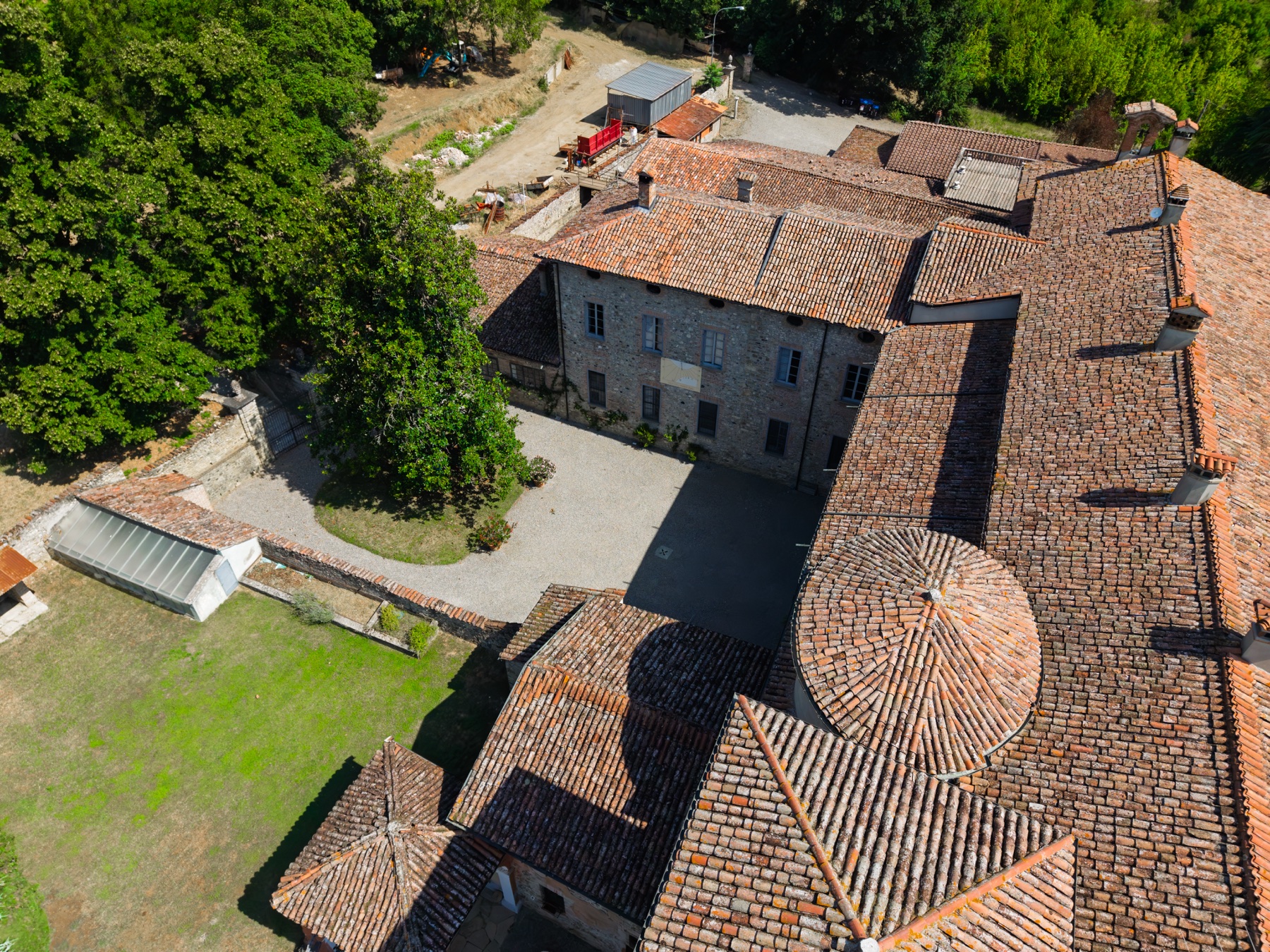
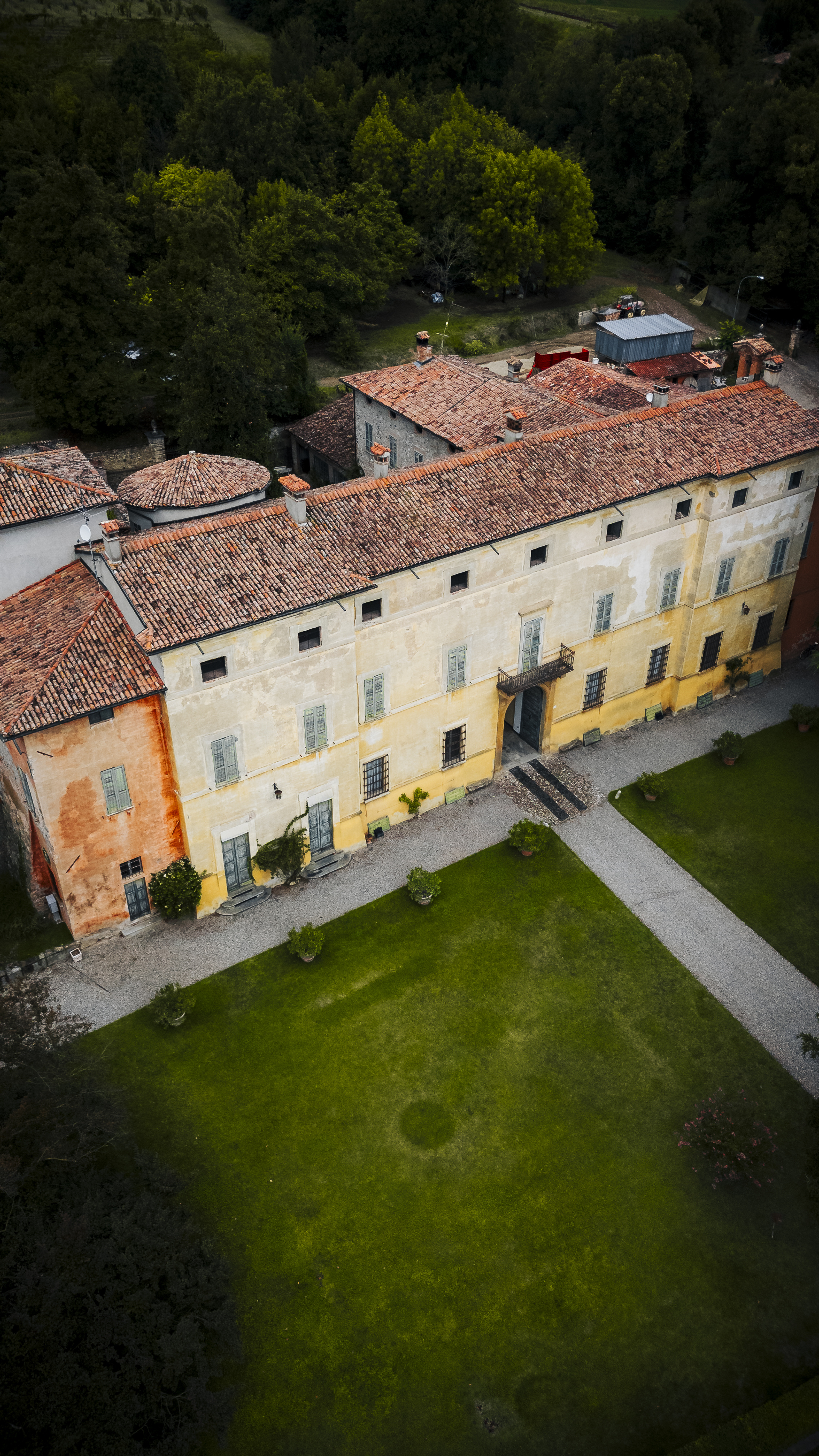
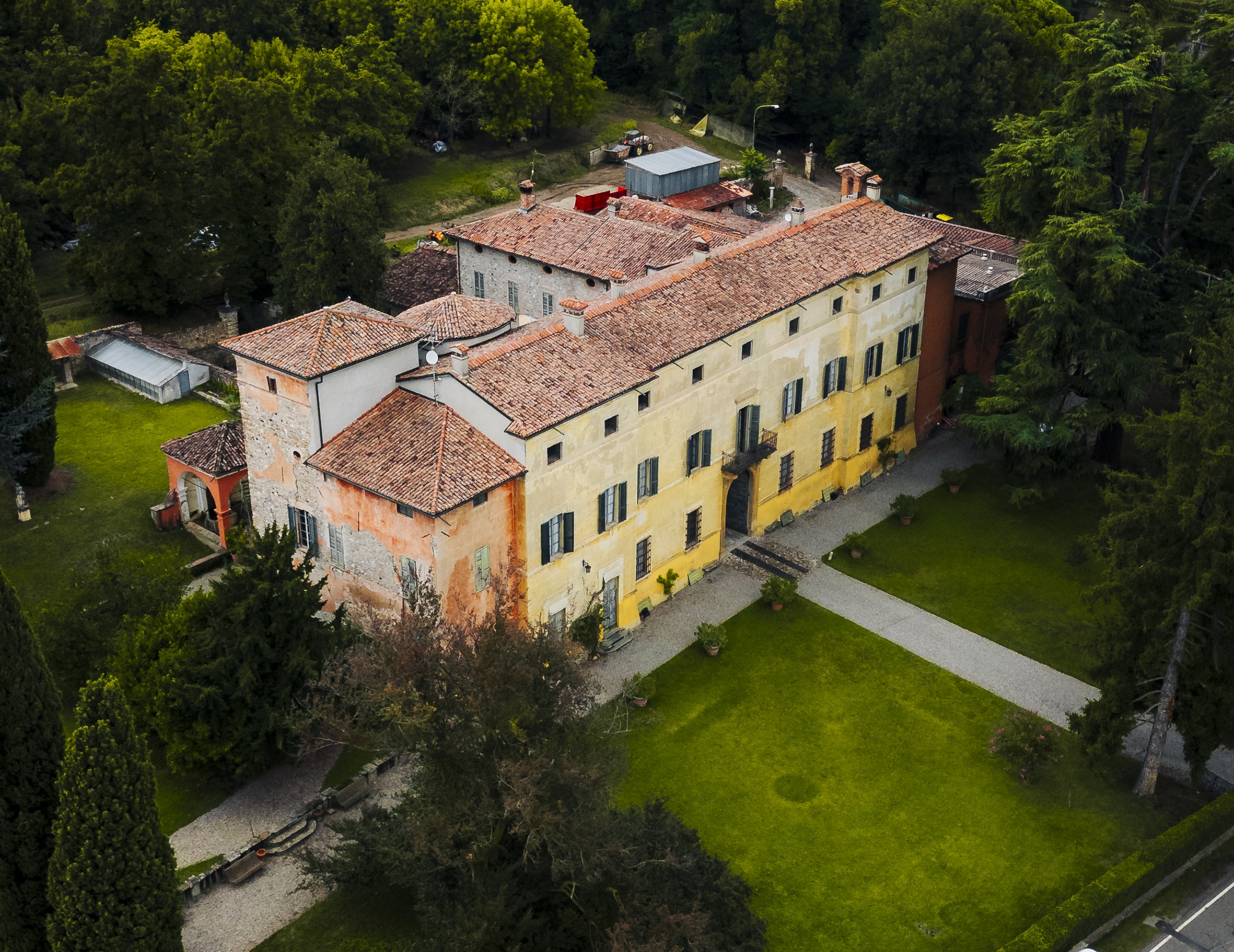
Construction of the present villa began in 1704, when Trevani entrusted the design and building of the new residence to Sartorio. Available information suggests that the central body may have reused, at least in part, pre-existing structures as foundations: an interpretation that has yet to find definitive documentary confirmation.
With the 1796 marriage between Count Alberico Barattieri and Maria Trevani the residence passed to the Barattieri family, who have lived in and cared for it ever since. It is this layering of eras, from the possible medieval presence to the Jesuit estate, from the Ducal Chamber to the eighteenth-century villa, that makes Villa Barattieri a living testimony to the transformation of the Piacenza territory.